Responding to Ebola in Eastern DRC
The Eastern Democratic Republic of Congo is facing one of the most serious Ebola outbreaks in the virus's recorded history. First confirmed in Ituri Province in mid-May 2026, it is the 17th outbreak in the DRC since 1976 and arrived barely five months after the previous one was declared over. According to the Africa Centers for Disease Control and Prevention, at least 1,077 suspected cases and 246 suspected deaths had been recorded in this outbreak since late May — and health officials warn the true scale is almost certainly larger. On May 17, the WHO declared the outbreak a Public Health Emergency of International Concern.
This outbreak is especially dangerous. It is caused by the Bundibugyo strain of Ebola, for which there is no approved vaccine and no specific treatment, and it is spreading through a region already gripped by armed conflict, mass displacement, and severe hunger — with nearly 10 million people across eastern provinces facing acute food insecurity. Aid workers, former U.S. aid officials, and global health experts say the crisis has been made worse by the dismantling of USAID and the U.S. withdrawal from the WHO, which weakened the disease-surveillance networks that would normally have detected and contained the virus far sooner.
On the Ground has launched an emergency response alongside our partners at the Muungano Cooperative, made possible by a $10,000 grant from the Cooperative Coffees Impact Fund.
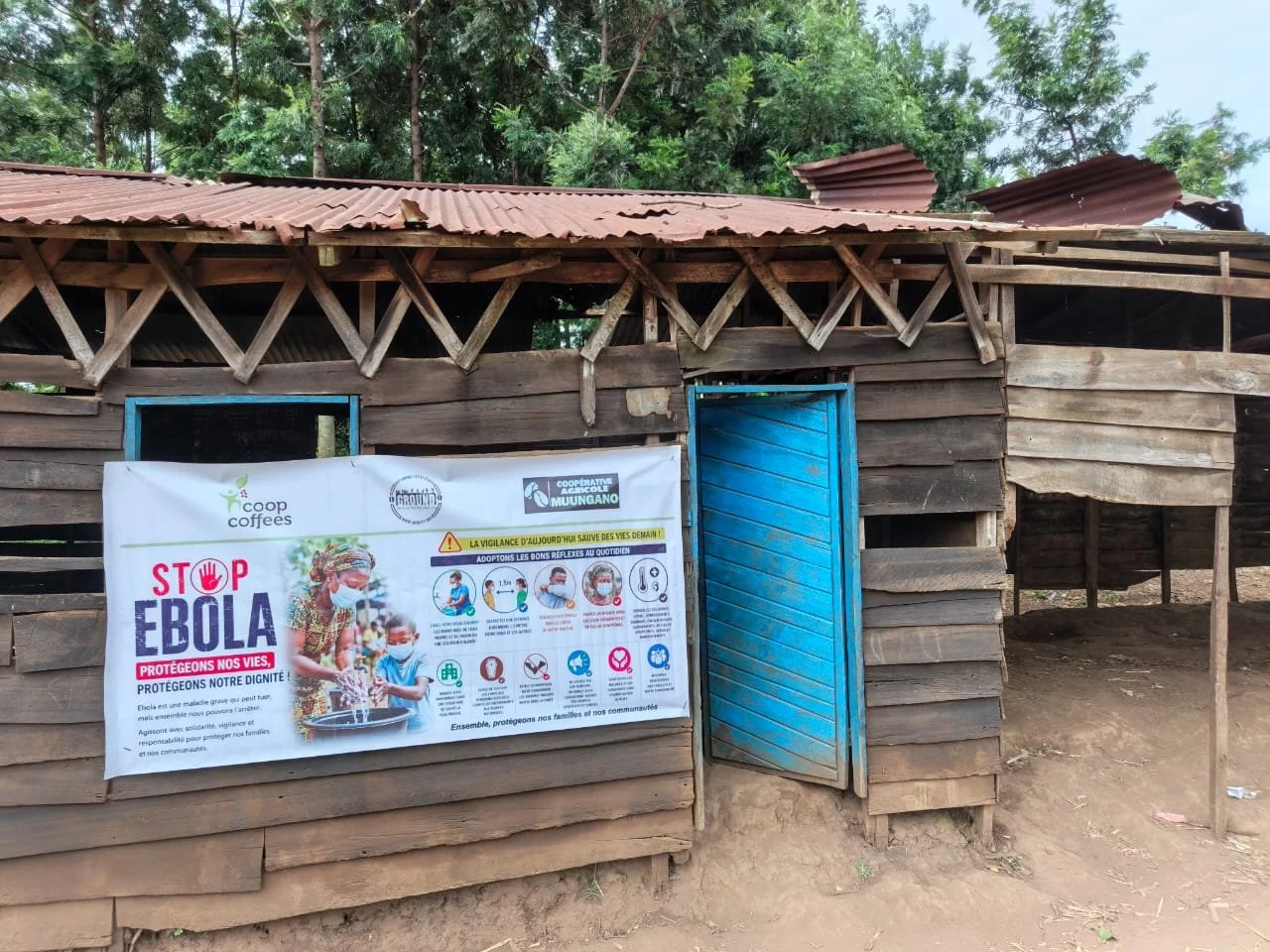
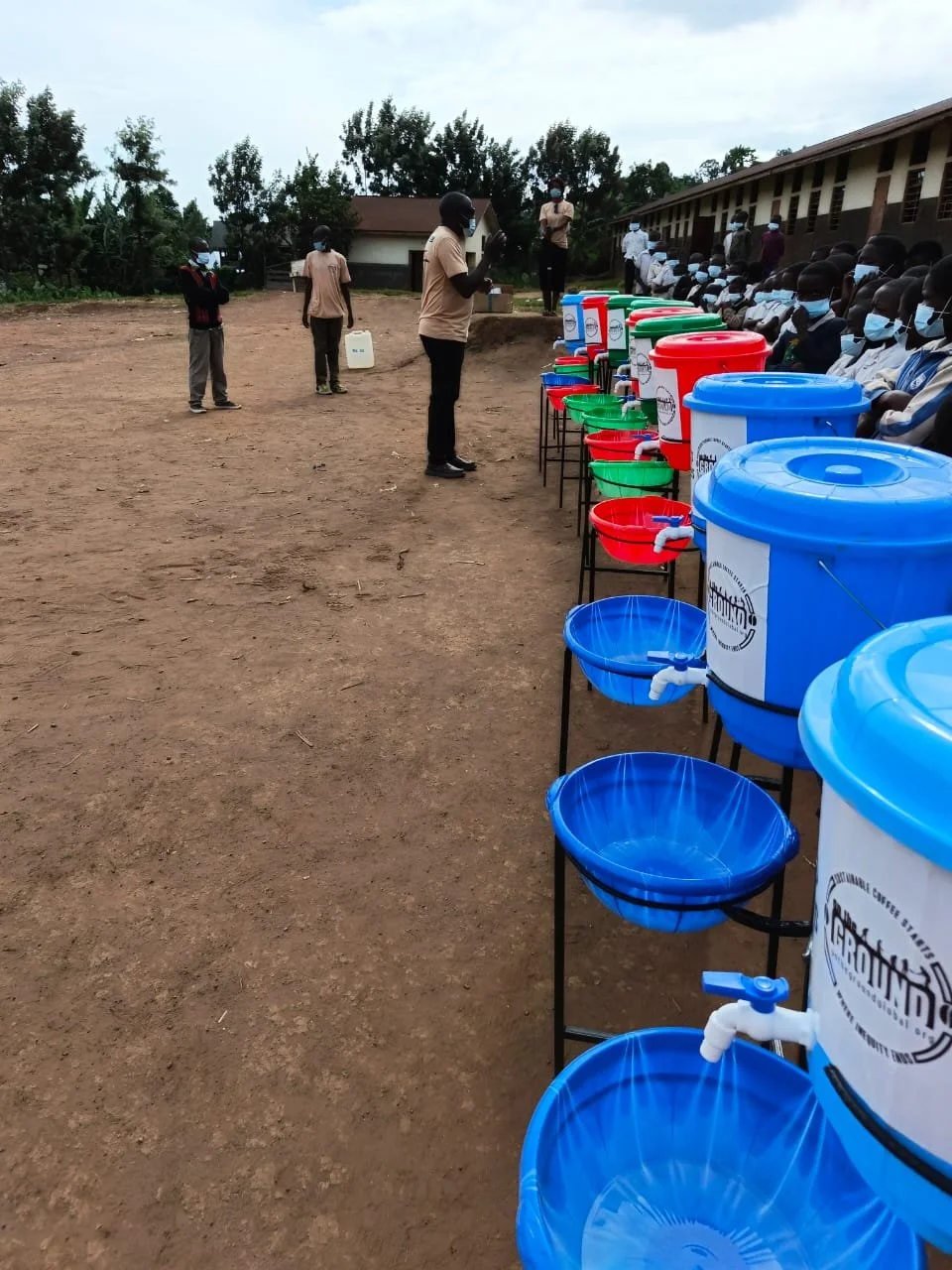
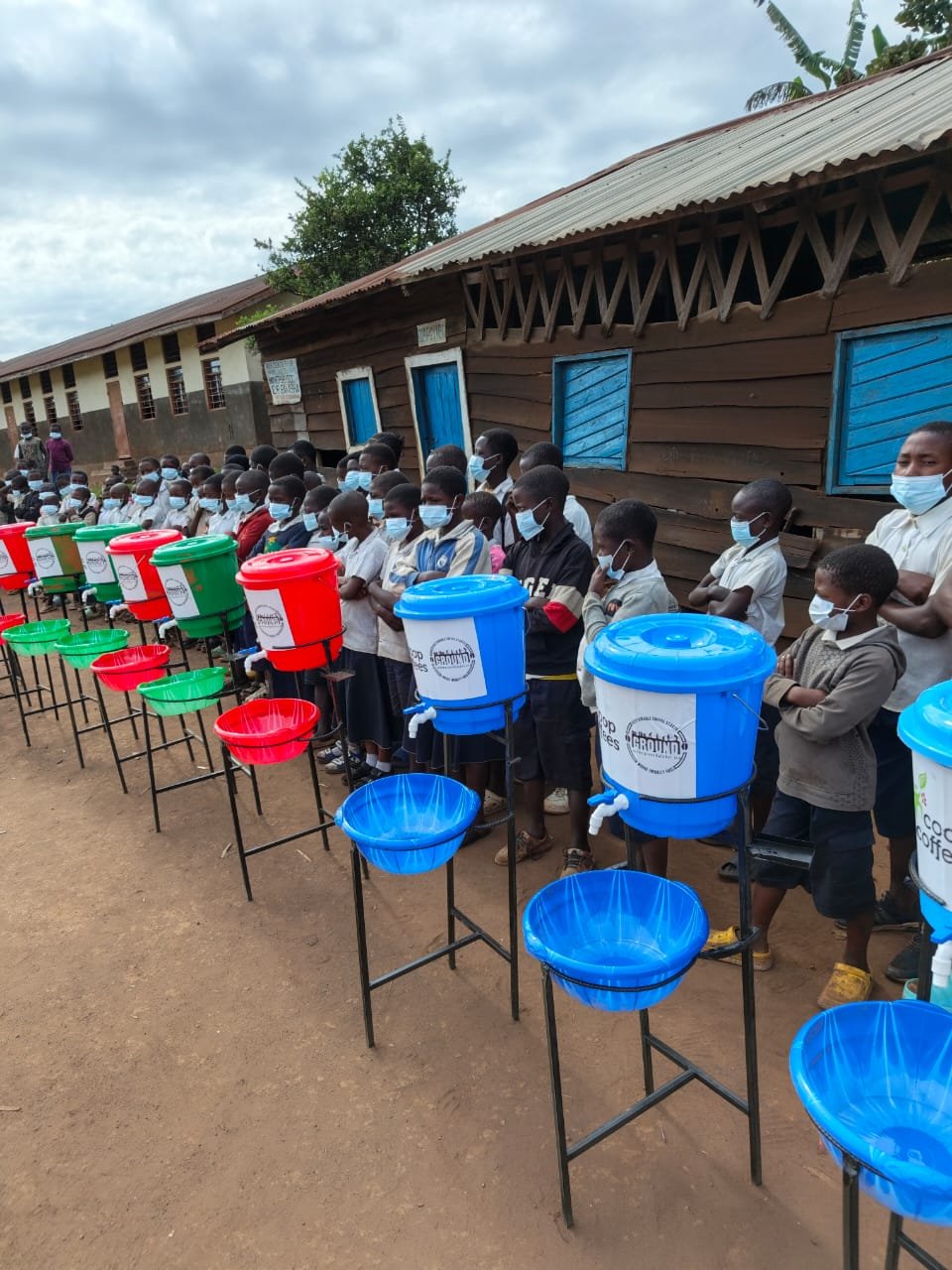
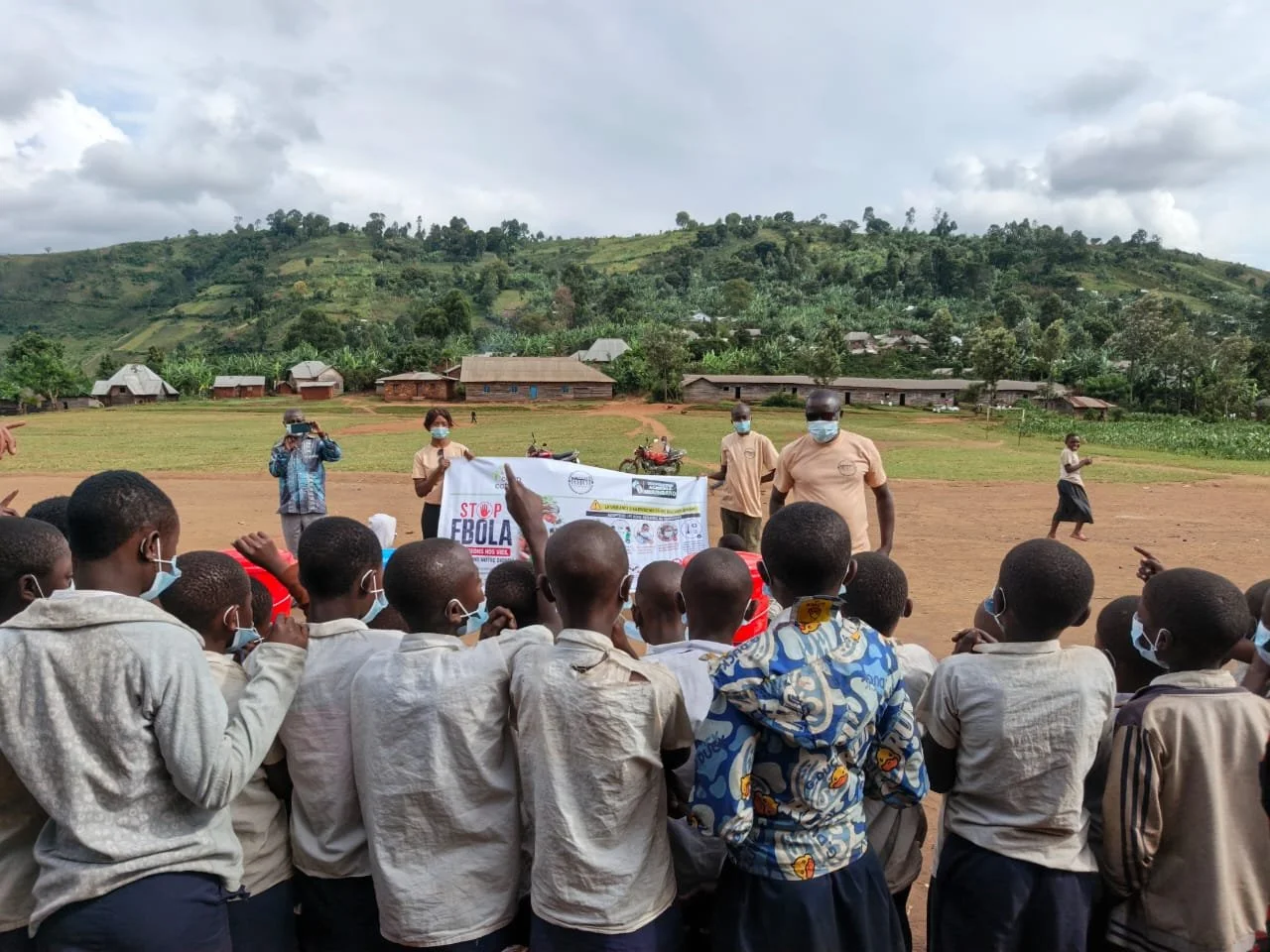
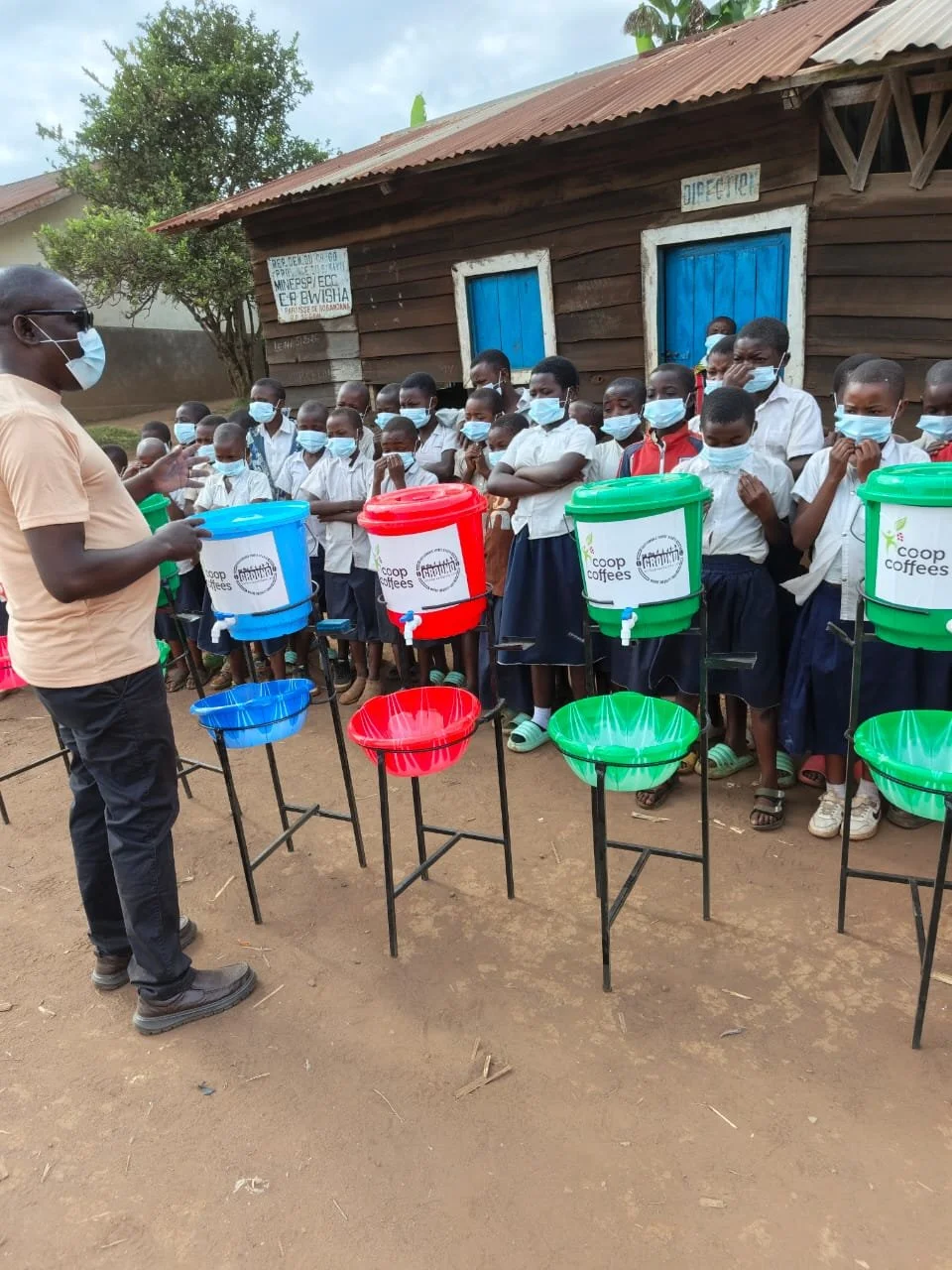
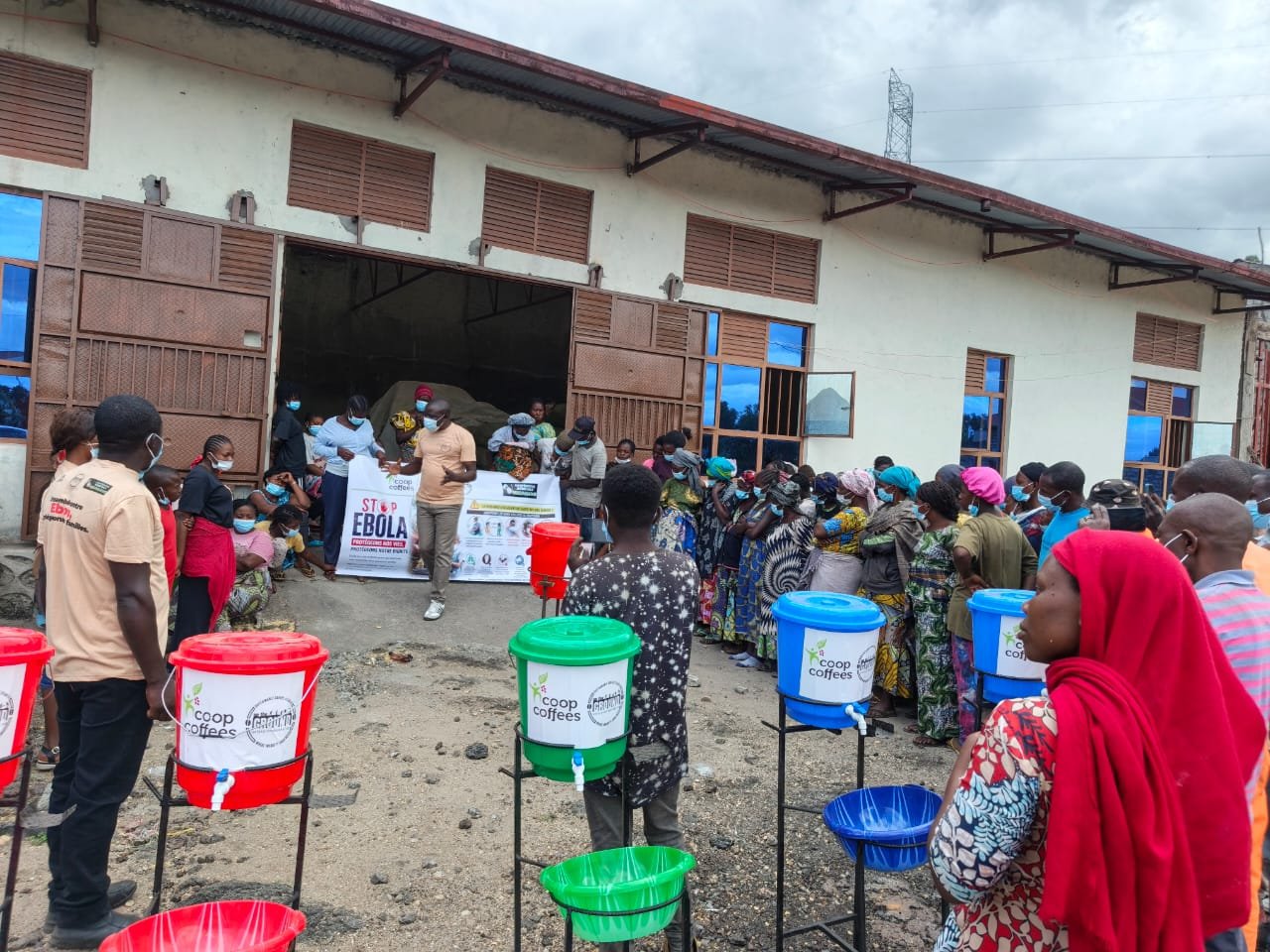
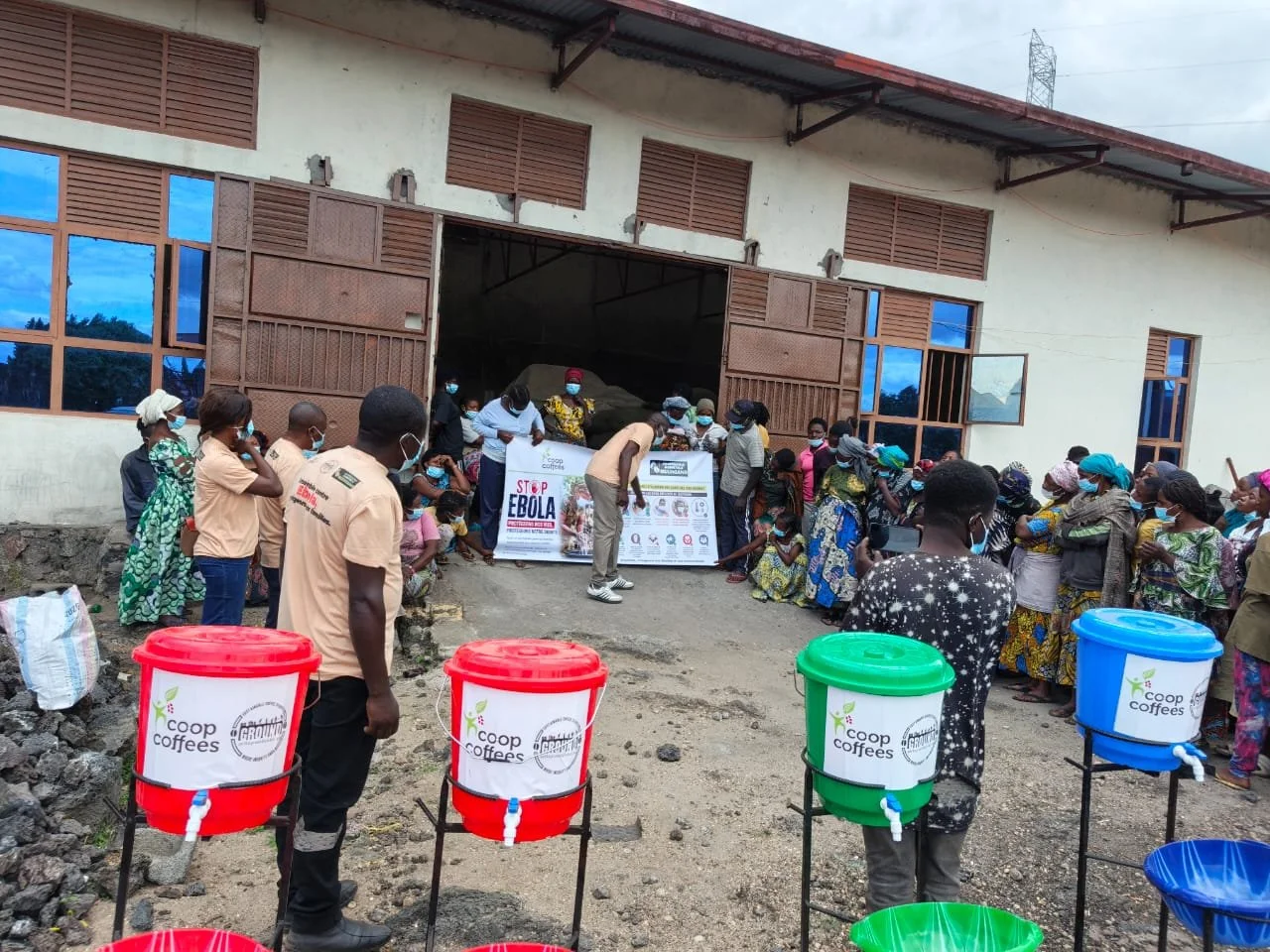
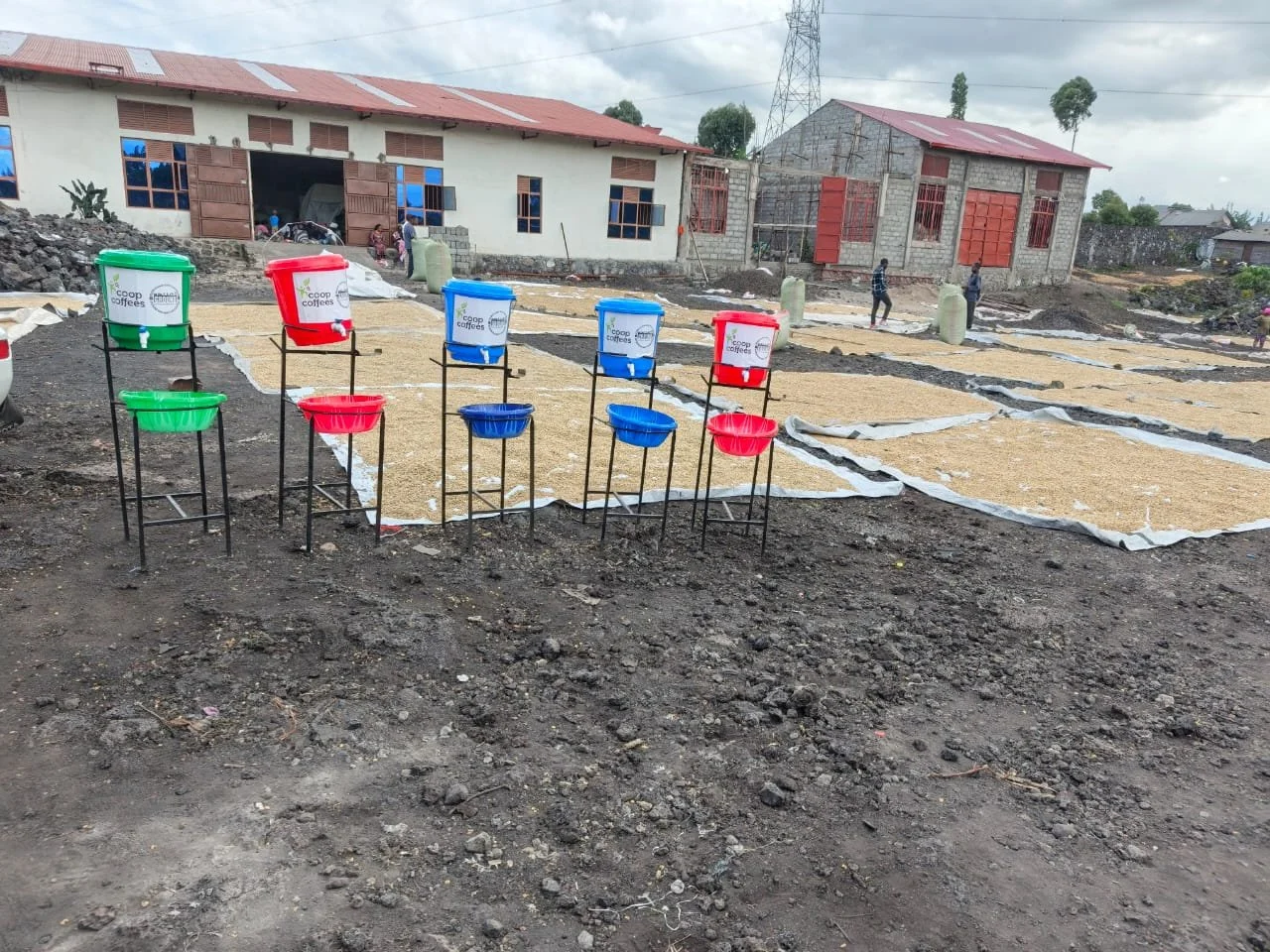
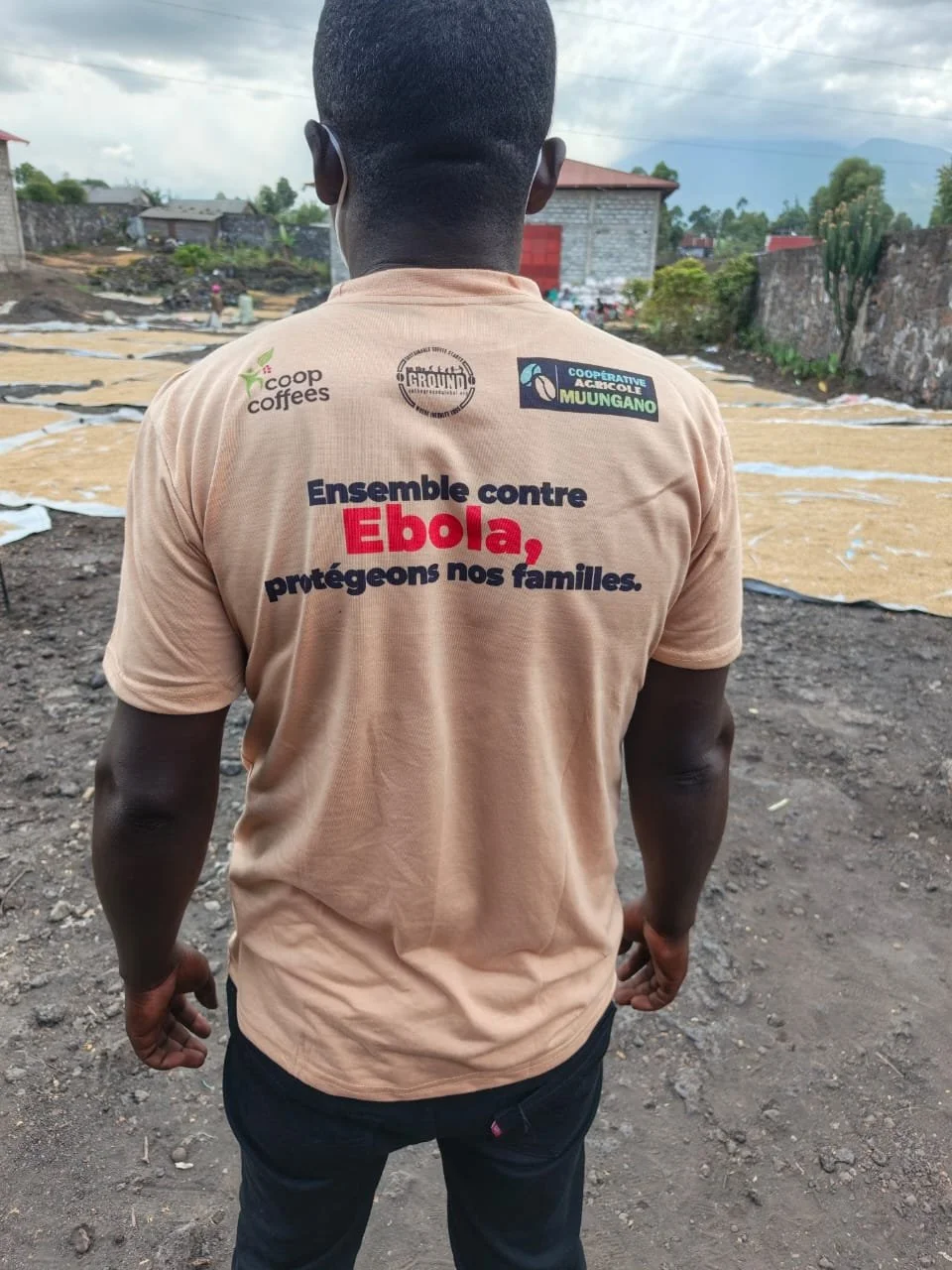
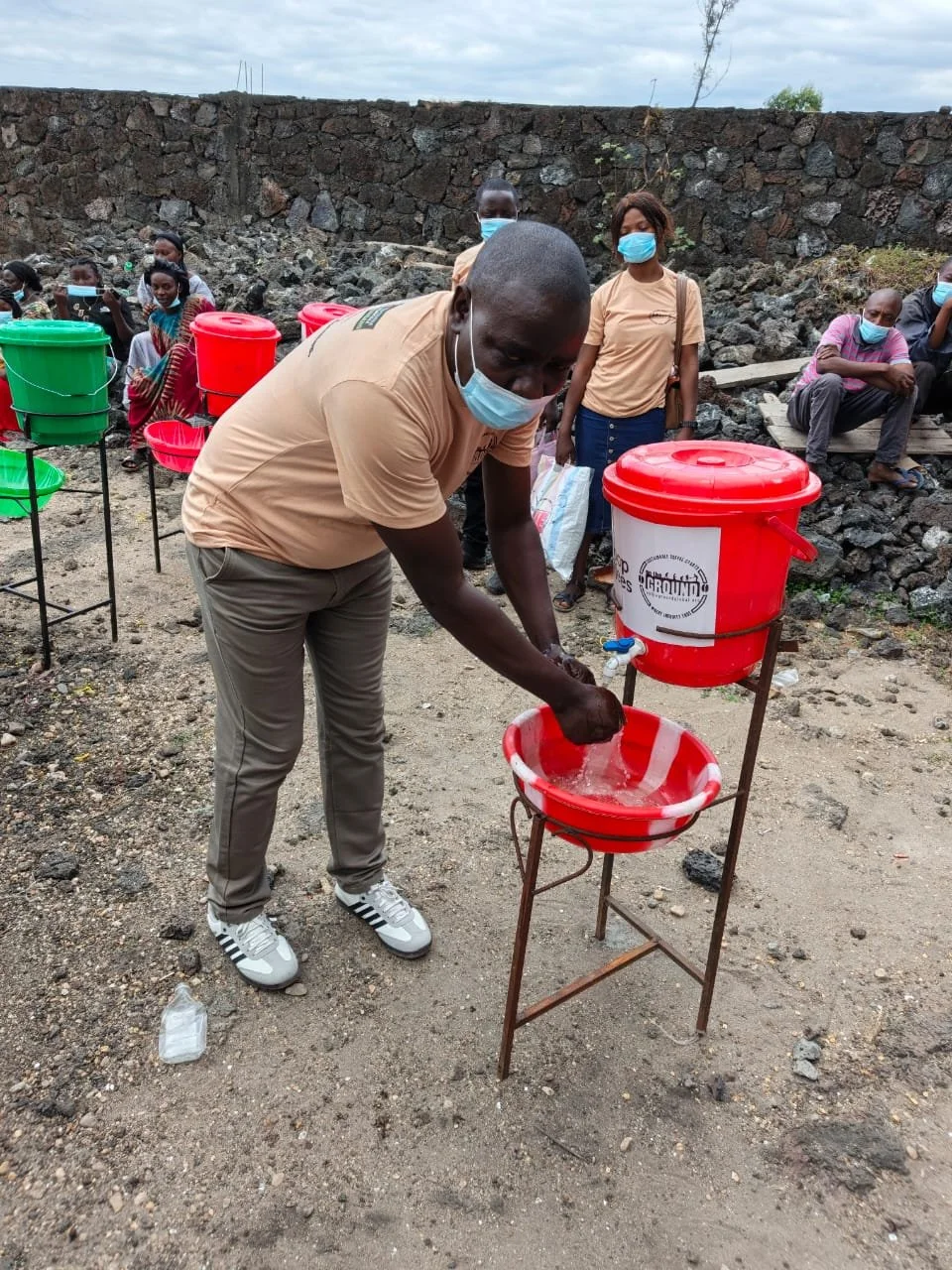
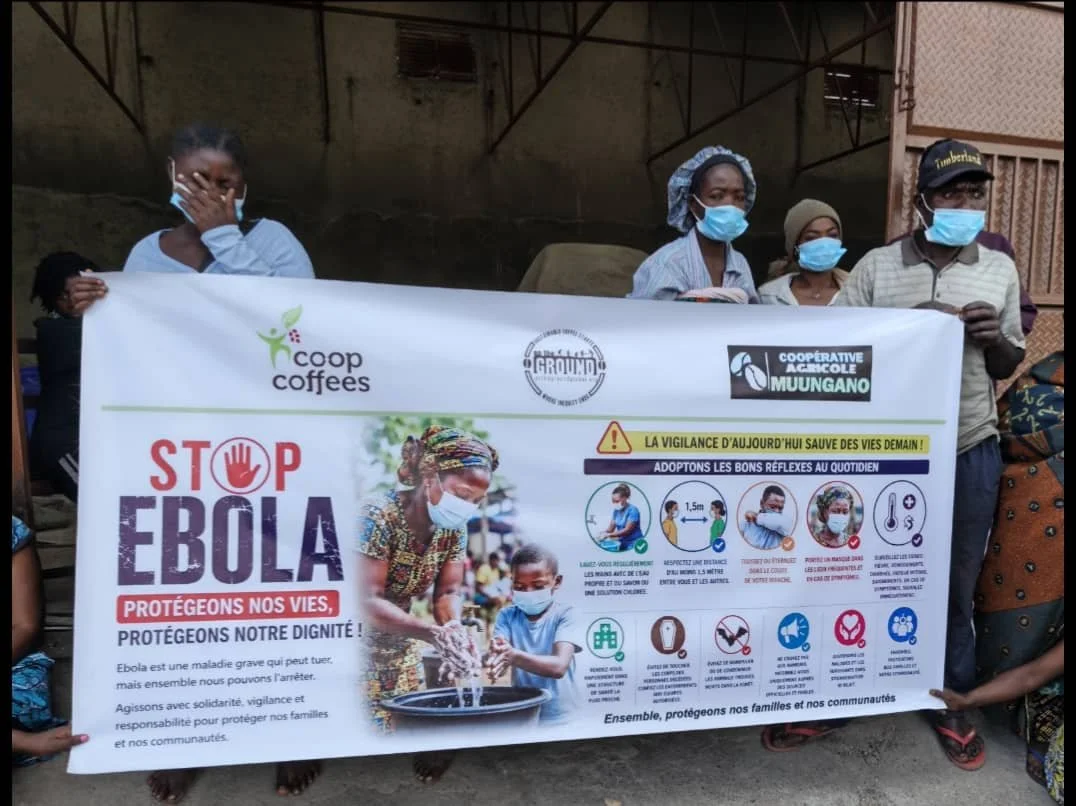
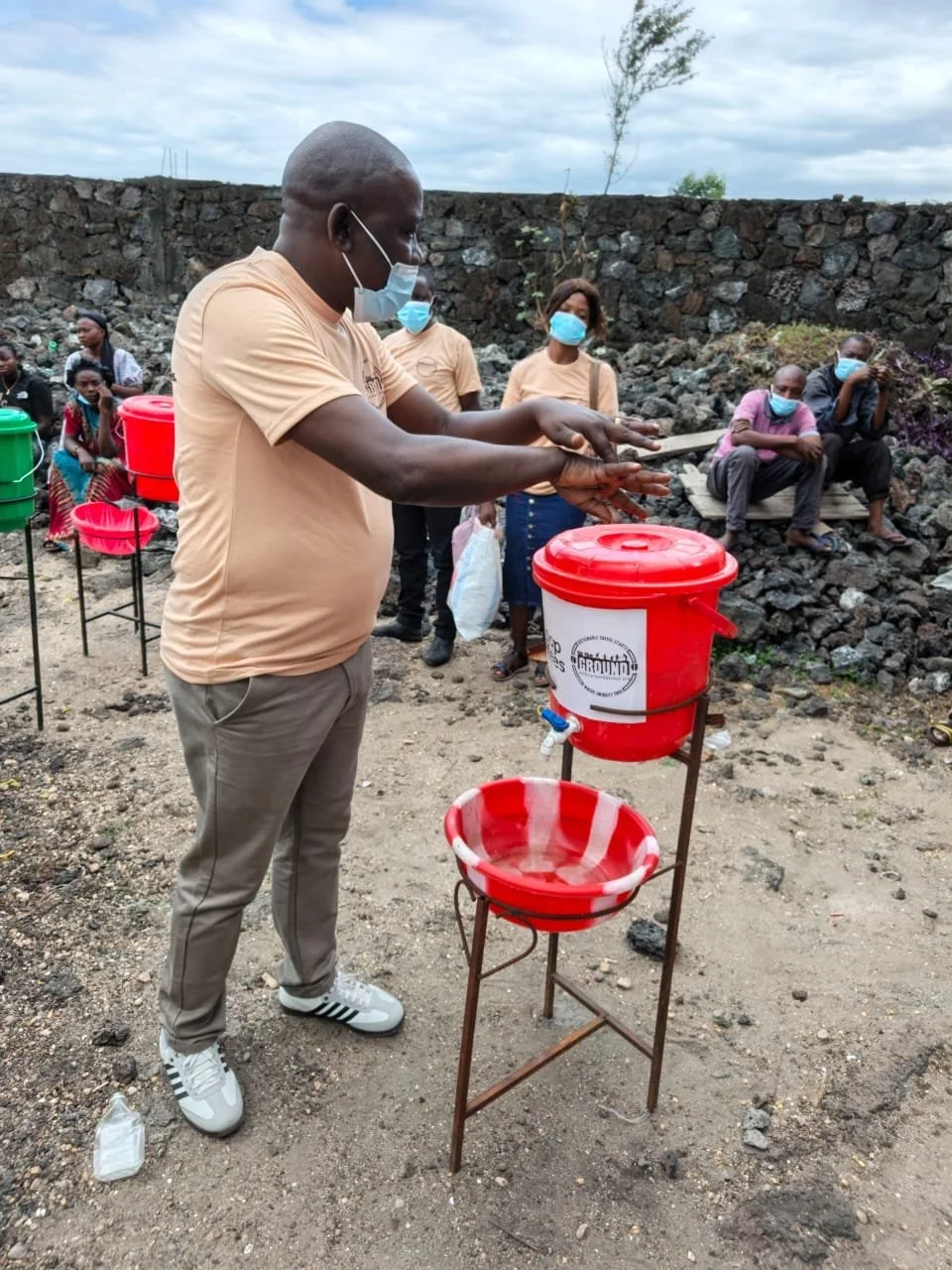
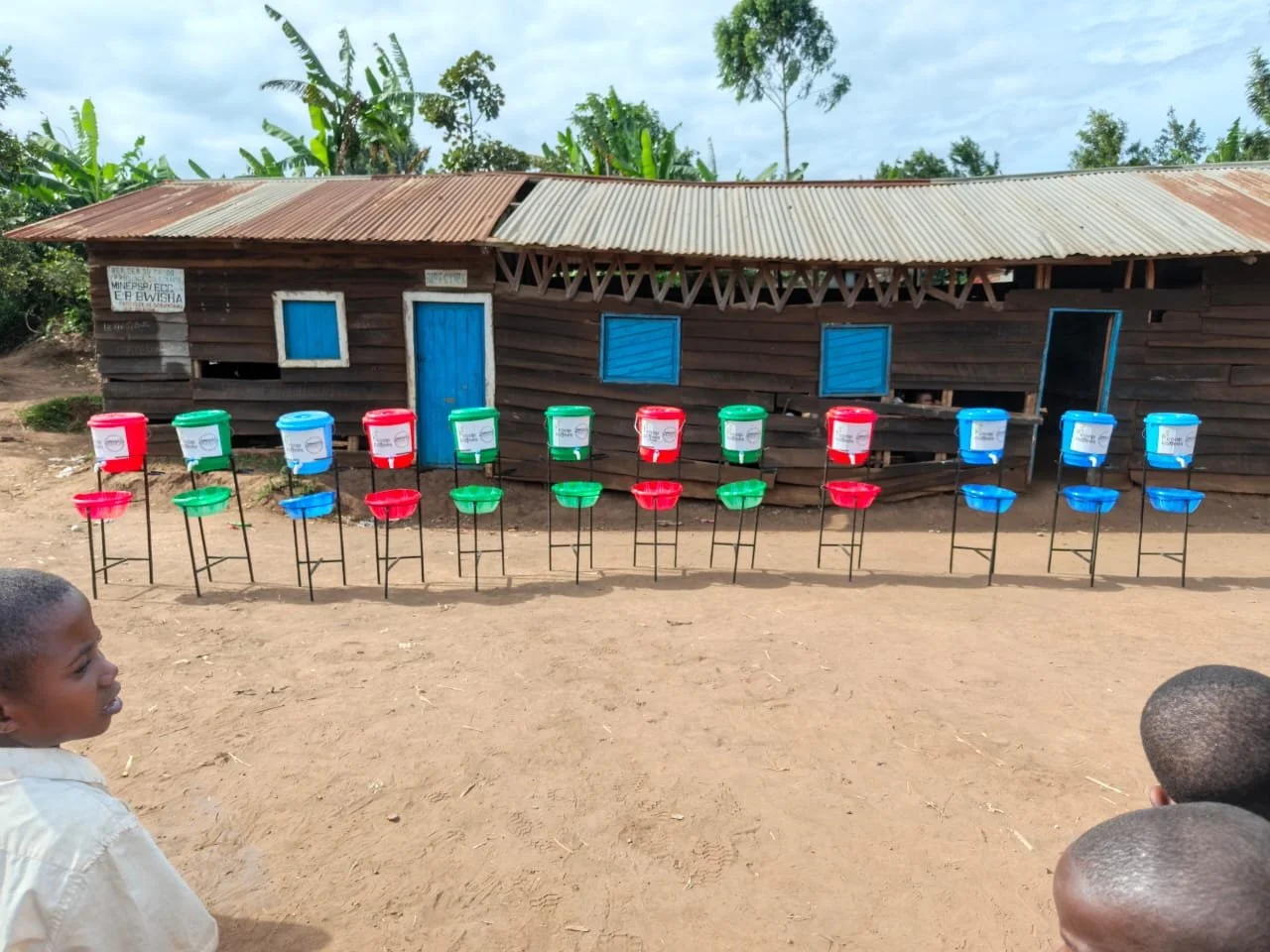
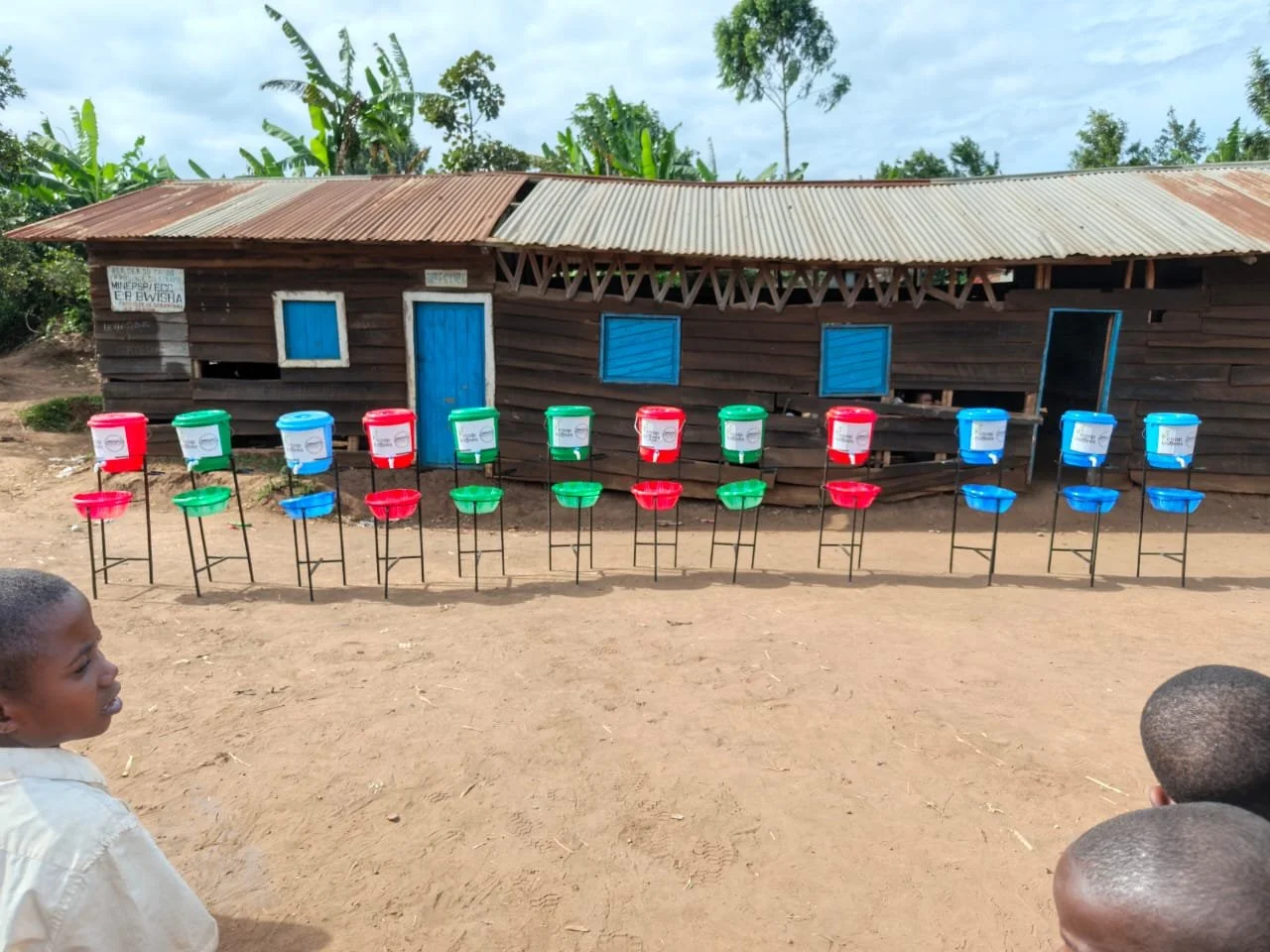
OTG's DRC Country Director, Herman Chirihambali Lwango, and Daniel Habamungu of the Muungano Cooperative have begun installing hand-washing stations and sharing prevention information at coffee washing stations, collection points, and primary schools across the Kalehe and Masisi territories in North and South Kivu. In the weeks ahead, the team will expand to more coffee washing stations, schools, and churches — distributing hand-washing stations, soap, disinfectant, masks, thermometers, and awareness materials. See photos below of a coffee-washing station in Goma and a primary school.
Because Ebola spreads through contact with bodily fluids, basic sanitation and trusted, community-level education are among the most powerful tools for stopping it. With this support, OTG and Muungano aim to help protect more than 300,000 people, including the coffee-farming families at the heart of our work. To learn more about the outbreak, read the New York Times report, "Inside the Ebola Epicenter, the Virus Rages With Little to Stop It."
Cooperative Coffees’ $10,000 grant is already making a real difference — it allows OTG and Muungano to bring lifesaving supplies and prevention training to 10 coffee washing stations, 15 schools, and 10 churches across the Eastern DRC. But the need is far greater than one grant can meet. To keep these stations stocked, sustain community education, and reach new washing stations, schools, and churches as the outbreak spreads, we need your help. Every gift goes directly toward stopping the spread of Ebola in the coffee-farming communities at the heart of our work — and any amount makes a difference:
One hand-washing bucket and faucet = $35
A box of 50 masks = $6
A 1-liter bottle of disinfectant = $15
A thermometer = $7
A bottle of liquid soap = $15
Please consider donating today. Your support puts clean water, protection, and trusted information directly into the hands of the families fighting this outbreak on the front lines.